Raw sewage in your home is one of the most urgent and hazardous situations a homeowner can face. Unlike a clean water leak from a burst pipe, sewage backup brings bacteria, viruses, and toxic gases directly into your living space. Knowing what you can safely handle yourself and when to immediately call a licensed professional can be the difference between a contained incident and a health disaster.
This guide walks you through the full picture: causes, safety hazards, DIY limits, professional cleanup standards, and prevention strategies.
What Causes Sewage Backup?
Sewage backups don’t happen randomly. They’re usually the result of one or more identifiable problems:
Main sewer line blockages are the most common cause. Tree roots are the #1 culprit they actively seek out moisture and can infiltrate clay or PVC pipes over years. Grease buildup, flushed wipes (even “flushable” ones), and debris accumulation create the same result: waste has nowhere to go but back up into your home.
Municipal sewer overloads occur during heavy rainfall or flooding events when public systems become overwhelmed. This forces sewage backward through residential connections. If your neighbors are experiencing the same backup simultaneously, this is likely the cause.
Broken or deteriorating pipes especially in homes built before the 1980s with cast iron or clay pipes can collapse partially, creating blockage points that trap waste.
Sump pump failure can allow groundwater mixed with sewer overflow to flood lower levels, creating a secondary contamination hazard.
Understanding the cause matters because it determines both the scope of cleanup and the fix required afterward.
The Real Danger: What’s Actually in Sewage Water
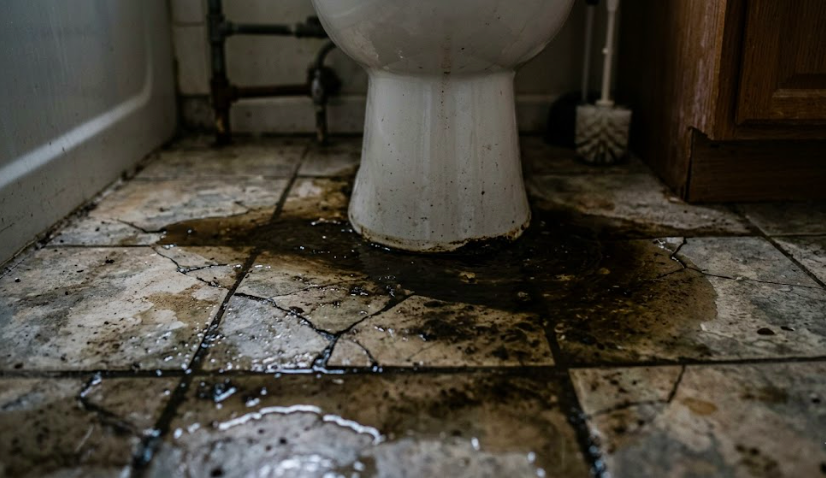
The CDC classifies sewage as a Category 3 “black water” hazard the most contaminated classification in water damage restoration. This isn’t a technicality. Sewage contains:
- Fecal coliform bacteria including E. coli
- Hepatitis A and other viruses
- Salmonella and Campylobacter
- Cryptosporidium and Giardia (parasites resistant to standard disinfectants)
- Hydrogen sulfide gas the rotten egg smell that, at higher concentrations, can cause dizziness, unconsciousness, or death
- Methane gas, which is both toxic and combustible
Exposure routes include skin contact, inhalation of aerosols, and accidental ingestion from contaminated hands or surfaces. Children, elderly individuals, pregnant women, and anyone with a compromised immune system face significantly elevated risk.
Immediate Steps: What to Do Before Cleanup Begins
Regardless of whether you plan to DIY or call a professional, these first steps apply universally:
1. Stop using all water in the home immediately. Running faucets, flushing toilets, or using appliances that drain to the sewer will add more volume to the backup.
2. Turn off electricity to affected areas. Water and electricity together are immediately life-threatening. If your electrical panel is in or near the flooded area, do not enter call an electrician first.
3. Ventilate the space. Open windows and doors if it’s safe to do so. Do not use fans that recirculate interior air you want fresh air moving through.
4. Keep people and pets out. The contaminated zone should be completely off-limits to anyone not in full protective gear.
5. Document everything for insurance. Photograph the backup from multiple angles before touching anything. Most homeowner policies require documentation before remediation begins.
6. Call your insurance company. Sewage backup coverage varies significantly by policy. Some require a specific rider for sewer backup coverage. Report the incident before cleanup so your claim isn’t denied.
What You Can Do Yourself (With the Right Precautions)
There is a narrow but real window of DIY-appropriate tasks in sewage cleanup. These apply primarily when:
- The backup is small in volume (under 10 gallons)
- The affected area is hard, non-porous surfaces only (concrete, tile)
- The backup has occurred within the last 24 hours
- You have no underlying health conditions
- The source has been fully stopped and confirmed resolved
Required Protective Equipment
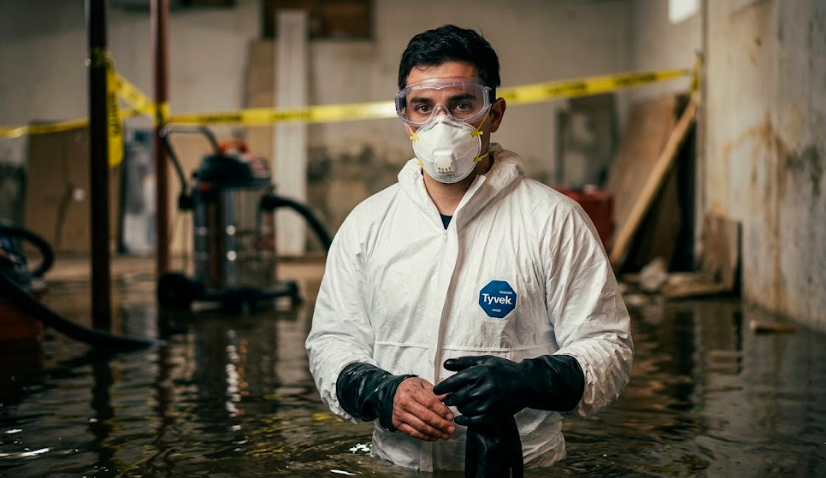
If you proceed with any hands-on cleanup, this gear is non-negotiable:
- N95 respirator or higher (not a dust mask)
- Waterproof rubber gloves (not latex exam gloves sewage degrades them)
- Rubber boots or disposable boot covers
- Safety goggles (not just glasses sewage aerosols can reach your eyes)
- Disposable Tyvek coveralls if available
DIY-Appropriate Tasks
Removing standing water: A wet/dry vacuum rated for liquid use can remove surface sewage from tile or concrete floors. Empty and disinfect the tank frequently. Never use a standard household vacuum.
Bagging and disposing of contaminated materials: Hard objects that can be thoroughly disinfected tools, plastic bins, metal item can be cleaned. Soft goods (rugs, clothing, children’s toys, upholstered furniture, cardboard) that have had sewage contact should be double-bagged and discarded. There is no safe way to clean porous materials contaminated by Category 3 water.
Disinfecting hard surfaces: After removing solids and liquid, hard non-porous surfaces can be cleaned with a solution of 1/2 cup bleach per gallon of water. Allow 10 minutes of contact time before rinsing. The EPA recommends following up any flood cleanup with attention to drying and monitoring for mold, which can appear within 24–48 hours in humid conditions.
Laundering affected washable items: Clothing and linens that had minor, indirect contact (not submerged) can be washed separately in hot water with detergent, then dried on the highest heat setting. Wash twice. If in doubt, discard.
Where DIY Must Stop: Calling in a Professional
This is the more important half of this guide. Most sewage backup situations fall outside the DIY threshold, and attempting them yourself creates compounding hazards.
Stop and Call a Pro When:
The volume is significant. Any backup that covers more than a few square feet of floor, has reached walls, or has spread into multiple rooms requires professional-grade extraction equipment and structured drying protocols that consumer tools cannot replicate.
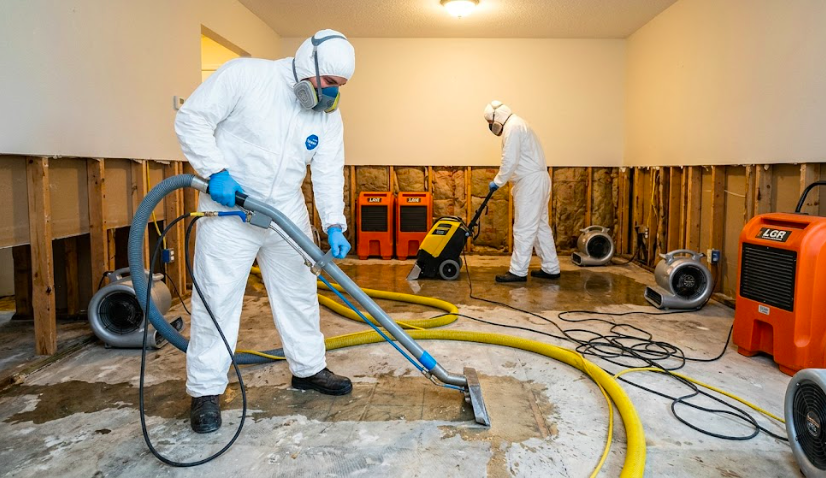
Drywall, insulation, or subfloor is involved. These materials wick sewage contamination upward invisibly. What looks like “just the floor” often means the bottom 12–24 inches of drywall, the wall cavity insulation, and the subfloor are all saturated. Cutting affected drywall, removing insulation, and treating structural materials requires containment barriers, negative air pressure machines, and industrial HEPA air scrubbers to prevent cross-contamination to unaffected areas.
The backup has been sitting for more than 24 hours. Within 24–48 hours, mold colonization begins. After 48–72 hours, structural materials that might have been salvageable earlier are often beyond saving. The longer the window, the more complex (and expensive) the remediation.
You have a finished basement. Carpet, padding, drop ceilings, and finished walls all harbor contamination in ways that are invisible to the naked eye. Every square foot of finished basement that was touched by sewage requires professional assessment.
You’re experiencing symptoms. If anyone in the household is experiencing nausea, headaches, skin irritation, or respiratory symptoms, get everyone out and call both emergency services and a professional restoration company. These are signs of gas exposure or direct contamination.
You can smell hydrogen sulfide (rotten eggs) strongly. High concentrations of this gas can incapacitate a person within seconds. If the odor is strong, do not enter the space ventilate from outside and call professionals.
What Professional Sewage Cleanup Actually Involves
Understanding the professional process helps you evaluate whether a contractor is doing the job correctly and helps you avoid companies that cut corners.
A legitimate sewage backup restoration follows these phases:
1. Assessment and containment. Technicians measure moisture levels in walls, floors, and ceilings using thermal imaging and moisture meters. Containment barriers with negative air pressure are established to prevent contaminated air from spreading.
2. Extraction. Truck-mounted extractors remove standing water at a rate no consumer wet-vac can match typically 100+ gallons per hour. This is followed by manual extraction of solids.
3. Demo of non-salvageable materials. Affected drywall, insulation, and flooring are removed and disposed of according to local regulations. In Texas and most states, sewage-contaminated materials are classified as biohazardous waste and require specific disposal procedures.
4. Antimicrobial treatment. All affected structural surfaces are treated with EPA-registered antimicrobial agents, not household bleach. These products are formulated to penetrate porous surfaces at the microscopic level.
5. Drying. Industrial dehumidifiers and air movers run continuously typically 3–5 days until moisture readings return to normal baseline. This step is where corner-cutting is most common; inadequate drying leads to mold growth within weeks.
6. Post-remediation testing. Reputable companies perform clearance testing air samples and surface swabs to confirm contamination levels are within acceptable thresholds before reconstruction begins.
7. Reconstruction. New drywall, insulation, flooring, and painting return the space to pre-loss condition.
Homeowners in South Texas dealing with sewage backup can contact McAllen TX Water Damage a licensed restoration company serving the Rio Grande Valley for emergency response, professional assessment, and full-service remediation.
Preventing Sewage Backup Before It Happens
Cleanup is expensive and disruptive. These preventive measures significantly reduce your risk:
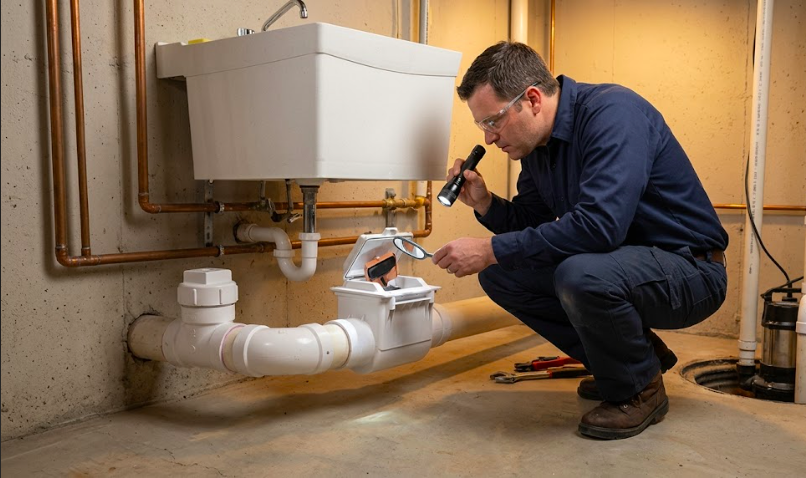
Install a backwater prevention valve. This plumbing device allows waste to flow out of your home but automatically closes if flow reverses. It’s the single most effective protection against municipal sewer overflows reaching your property. The IICRC (Institute of Inspection, Cleaning and Restoration Certification) recommends them as a baseline protection for any home built before 1990.
Schedule annual sewer line inspections. A plumber can run a camera through your main line to identify root intrusion, buildup, or pipe degradation before it causes a backup. This costs $150–$400 and can prevent thousands in remediation costs.
Never flush wipes, paper towels, or “flushable” products. Despite marketing claims, these products do not break down in sewer systems. They’re a leading cause of residential blockages.
Pump your grease trap if applicable. Restaurant owners and homeowners who cook with large amounts of fats, oils, and grease should have grease-intercepting systems serviced regularly.
Maintain your sump pump. Test it quarterly by pouring water into the pit. Replace the unit every 7–10 years, and install a battery backup so it continues functioning during power outages which often coincide with the heavy rain events that trigger municipal sewer overloads.
Insurance: What’s Usually Covered (and What Isn’t)
Standard homeowner’s insurance policies typically do not cover sewage backup unless you’ve specifically added a sewer backup rider. This rider typically costs $50–$250 per year and provides $5,000–$25,000 in coverage depending on limits.
Even with a rider, coverage often excludes:
- Backups caused by gradual deterioration or neglect
- Pre-existing pipe conditions
- Damage to the sewer line itself (only the resulting interior damage is covered)
Document pre-existing conditions before you need a claim. If you’ve had prior plumbing issues or know your home has old cast iron pipes, proactive documentation strengthens your position if a claim is disputed.
Summary: The Decision Framework
| Situation | DIY Appropriate? |
|---|---|
| Small spill, hard floor only, caught within hours | Possibly, with full PPE |
| Any drywall or carpet involved | No — call a professional |
| Backup sitting over 24 hours | No — call a professional |
| Strong sewage gas odor | No — evacuate, then call |
| Finished basement affected | No — call a professional |
| Large volume or multiple rooms | No — call a professional |
| Anyone in home has symptoms | No — call emergency services |
Sewage backup is not a situation where the cost of professional help should be weighed against doing it yourself. The health consequences of inadequate remediation mold, bacterial illness, structural damage consistently outpace the upfront cost of doing it right.
This article was written for informational purposes. Every sewage backup situation is unique. When in doubt, always consult a licensed water damage restoration professional in your area.
For residents in Georgia dealing with sewage backup, flooding, or water damage, consult a licensed local provider: Water Damage Restoration Services in Atlanta, GA
Leave a Reply