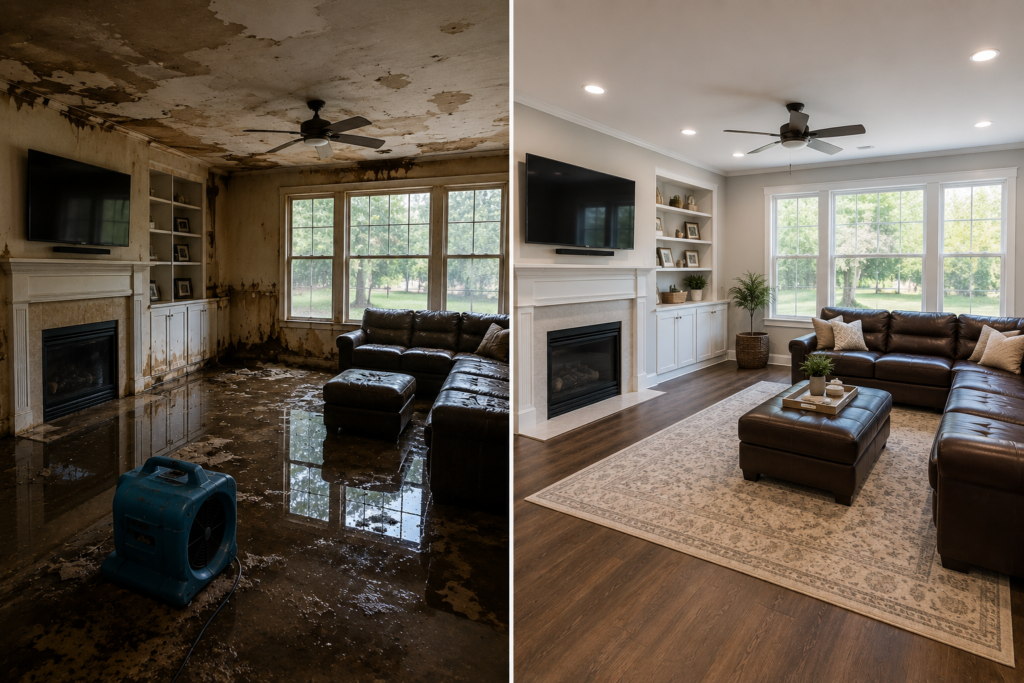
Water damage can strike unexpectedly — from a burst pipe or appliance leak to severe flooding after heavy storms. Understanding the typical costs of water damage restoration in 2026 helps Georgia homeowners prepare, act quickly, and work effectively with insurance providers. At GA Water Damage Restoration Pros, we provide professional, rapid-response services across Georgia to minimize damage and control expenses.
Whether you’re in Atlanta, Marietta, Smyrna, Decatur, or other areas in the state, fast professional intervention is key. In this comprehensive guide, we break down current pricing, cost factors, ways to save money, and what to expect when working with a trusted local team.
National Average Costs in 2026
In 2026, the national average cost for water damage restoration is approximately $3,860 to $3,867, with most homeowners paying between $1,383 and $6,370. Smaller jobs might start as low as $450–$1,500, while severe cases (especially with black water contamination or extensive structural damage) can exceed $10,000–$25,000 or more, sometimes reaching $50,000+ for whole-home flooding.
Per square foot pricing typically ranges from $3 to $7.50, depending on the water category and extent of damage. Larger affected areas naturally increase the total. In Georgia, costs are often in line with or slightly below national averages due to regional labor rates, though high humidity can accelerate mold growth and push prices higher if not addressed quickly.
Water Damage Categories and Costs
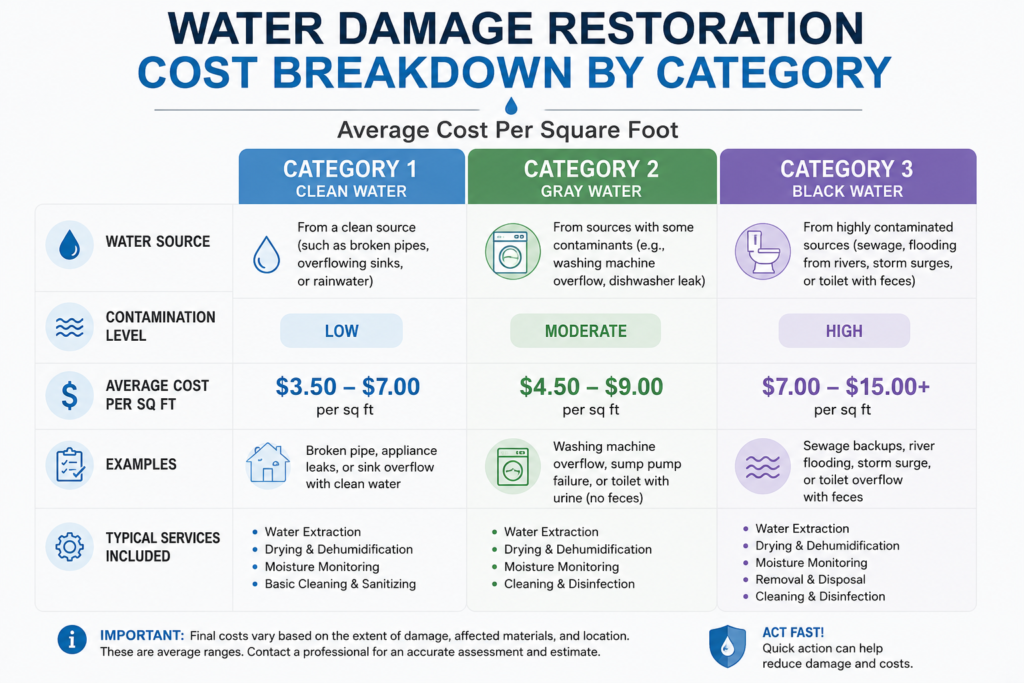
Restoration costs vary significantly based on the type of water involved. The industry uses three main categories:
- Category 1 (Clean Water): Comes from broken supply lines, rainwater, or melting ice. This is the easiest and cheapest to restore because it poses minimal health risks initially. Cost per sq ft: $3.00 – $4.25 Typical total: $1,200 – $8,000 for a single room or small area.
- Category 2 (Gray Water): Originates from washing machines, dishwashers, or toilet overflows containing urine. It contains contaminants that can cause discomfort or illness. Cost per sq ft: $4.00 – $6.50 Typical total: $2,500 – $10,000.
- Category 3 (Black Water): The most dangerous type, from sewage backups, river flooding, or long-standing contaminated water. It carries pathogens and requires extensive cleanup and disinfection. Cost per sq ft: $7.00 – $12.00+ Typical total: $5,000 – $25,000+.
Damage Classes (based on the extent and absorption of water) also influence pricing:
- Class 1 (Minimal): Affects only part of a room with low-permeability materials. Typical cost: $150–$400.
- Class 2–3 (Moderate to Significant): Involves walls, carpets, and padding. Typical cost: $500–$3,000.
- Class 4 (Severe/Specialty): Requires specialized drying for materials like hardwood, concrete, or deeply saturated areas. Typical cost: $20,000+.
These figures include water extraction, drying, dehumidification, antimicrobial treatment, and basic cleanup. Full structural repairs (drywall replacement, flooring, painting) add significantly more.
Key Factors Affecting Costs in 2026
Several variables determine your final bill in Georgia:
- Response Time — Acting within 24–48 hours prevents mold growth and can reduce costs dramatically. Delays often double or triple expenses due to secondary damage.
- Affected Materials — Drywall removal costs ~$2.50–$5 per sq ft, carpet replacement $3–$10 per sq ft, and hardwood repair even higher.
- Location and Accessibility — Basements, crawl spaces, or attics in Georgia homes increase labor and equipment needs due to tight access and high local humidity.
- Mold Remediation — If mold develops (common in Georgia’s climate), add $1,200–$4,500 or more depending on the affected area.
- Geographic and Seasonal Factors — Georgia’s humid subtropical climate means water damage can escalate faster than in drier states. Summer storms and hurricane season often drive higher demand and slightly elevated pricing.
For residents in Georgia, contact our team at GA Water Damage Restoration Pros for a localized assessment tailored to your area and property type.
How Insurance and Financial Assistance Work
Many homeowners’ insurance policies cover sudden and accidental water damage (such as burst pipes), but flood damage from external sources is usually excluded. Always document the damage thoroughly with photos and contact your provider immediately.
For large-scale disasters, federal resources like those from FEMA can provide public assistance and hazard mitigation grants. The EPA also offers valuable guidance on safe flood cleanup and links to water infrastructure recovery programs.
We work directly with all major insurance companies in Georgia to streamline the claims process and help maximize your coverage.
Prevention Tips to Avoid Costly Water Damage
Prevention is far cheaper than restoration. Here are practical steps Georgia homeowners should take:
- Install water leak detectors and smart shut-off valves.
- Regularly inspect hoses on washing machines, dishwashers, and water heaters.
- Maintain proper drainage around your foundation.
- Service your sump pump annually.
- Consider elevating utilities in flood-prone areas.
Learn more about prevention and recovery on our services page.
Why Choose Professional Restoration Over DIY?
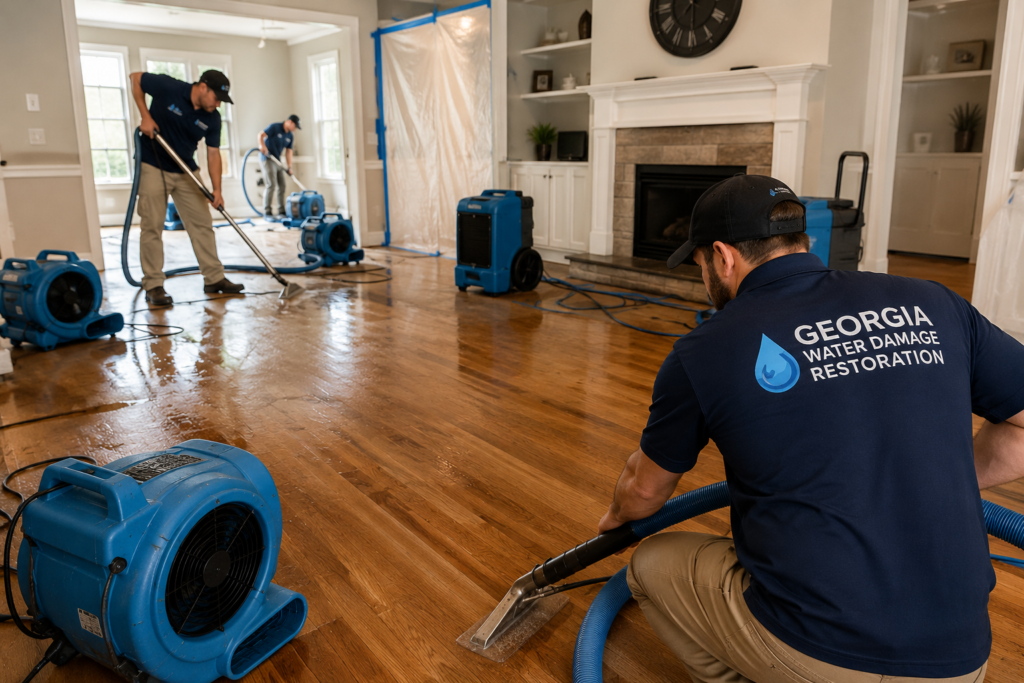
DIY efforts often lead to incomplete drying, hidden mold growth, and much higher long-term costs. Professionals use industrial-grade equipment, moisture meters, thermal imaging, and proven IICRC protocols for thorough, safe restoration.
At GA Water Damage Restoration Pros, our certified team offers 24/7 emergency service with transparent pricing and detailed estimates upfront.
If you’re dealing with water damage in Georgia, don’t wait. For those in South Carolina, check out our trusted partners at Columbia SC Water Damage.
Real-World Cost Examples in Georgia
- Minor kitchen leak (Category 1, 200 sq ft): $1,800–$3,500
- Bathroom flood with gray water (400 sq ft): $4,000–$7,500
- Basement sewage backup (Category 3, 800 sq ft): $12,000–$28,000+
These are averages — every home is different, which is why a free on-site inspection is the best way to get accurate numbers.
FAQs About Water Damage Restoration Costs in 2026
How long does restoration typically take?
Minor jobs: 2–5 days. Major flooding: 1–4 weeks.
Does insurance cover everything?
It depends on your policy. Sudden water damage is often covered; gradual leaks or floods may not be.
Can I stay in my home during restoration?
It depends on the extent. We make every effort to minimize disruption.
What makes Georgia costs unique?
High humidity speeds up mold, so rapid drying is critical to controlling costs.
Leave a Reply