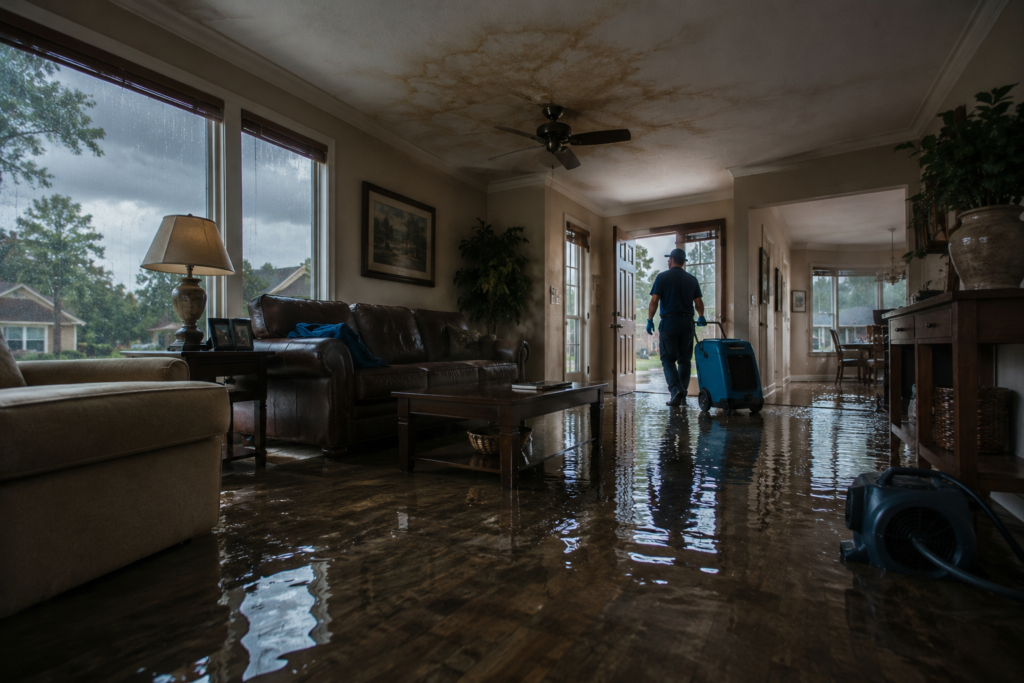
Living in the southeastern United States comes with incredible benefits – warm weather, beautiful coastlines, and a rich cultural heritage. But it also means dealing with one of the most persistent threats homeowners face in this region: water damage.
Georgia and South Carolina share more than just a border. Both states experience heavy rainfall, hurricane season, flash flooding, and high humidity levels that make homes particularly vulnerable to water intrusion, structural damage, and mold growth. Whether you live in Atlanta, Savannah, Columbia, or along the South Carolina coastline, understanding how to protect your home from water damage is not optional – it is essential.
This guide covers everything Georgia and South Carolina homeowners need to know – from identifying early warning signs to taking immediate action and finding certified professionals in your area.
Common Causes of Water Damage in Georgia & South Carolina
Before you can protect your home, you need to understand what causes water damage in the first place. In the Georgia-South Carolina region, the most common causes include:
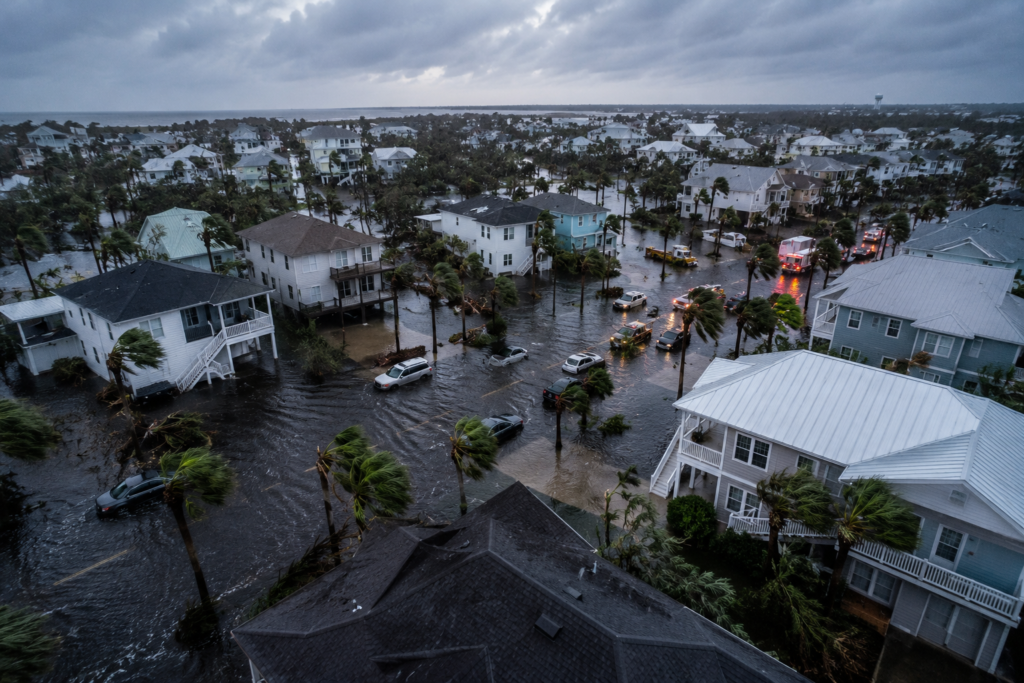
1. Heavy Rainfall and Flash Flooding Both states receive an average of 45–50 inches of rainfall annually. During intense storms, drainage systems get overwhelmed quickly. Water finds its way into basements, crawl spaces, and ground-floor rooms within minutes. According to FEMA flood zone maps, a significant portion of coastal Georgia and South Carolina falls within high-risk flood zones — meaning flood insurance and preparation are critical for homeowners in these areas.
2. Hurricane and Tropical Storm Damage Hurricane season runs from June through November. Georgia’s coastal cities like Savannah and South Carolina’s coastal communities including Hilton Head and Myrtle Beach face direct exposure to storm surge and wind-driven rain. A single hurricane can deposit 10–15 inches of rain in 24 hours, overwhelming even the best-prepared homes.
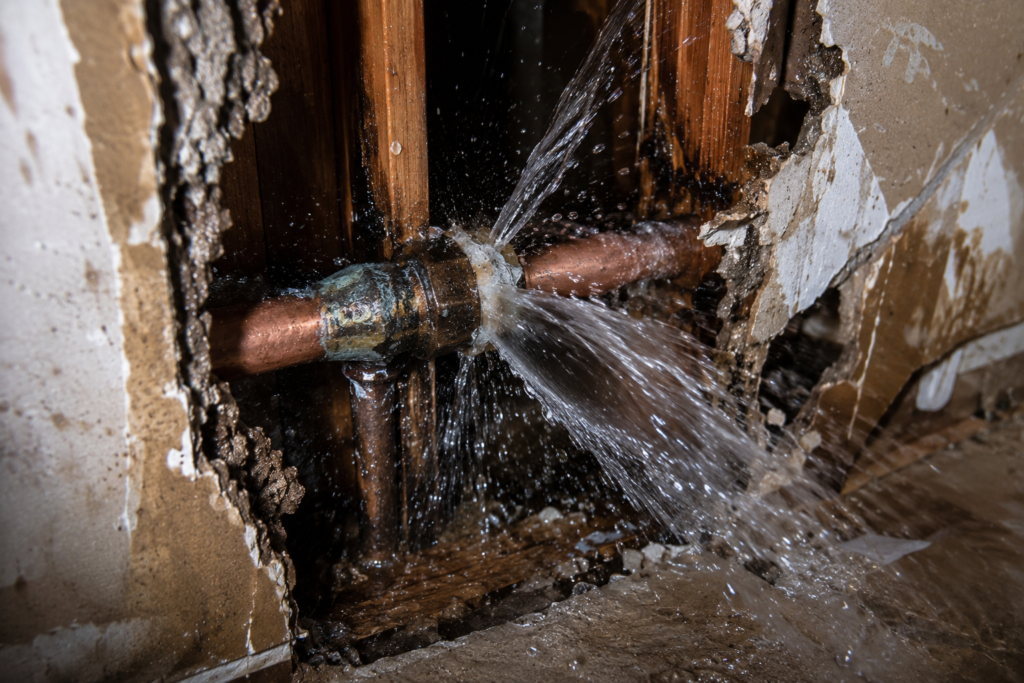
3. Burst and Leaking Pipes Cold winter snaps – though short in the South – are enough to freeze and burst pipes. A burst pipe can release hundreds of gallons of water per hour inside your walls and flooring before you even notice the problem.
4. Appliance Failures Water heaters, washing machines, dishwashers, and refrigerators with water lines are among the top culprits for indoor water damage. A slow leak behind a washing machine can go unnoticed for months, silently rotting subflooring and encouraging mold growth.
5. Poor Roof Drainage and Gutter Overflow Clogged gutters force water back against the fascia board and eventually into the attic or wall cavities. This type of slow moisture intrusion is one of the hardest to detect and one of the most damaging over time.
Warning Signs Every Homeowner Must Know
Water damage does not always announce itself with a flood. Many times, the signs are subtle and easy to miss until the damage becomes severe. Here is what to look for inside your home:
- Yellow or brown ceiling stains – a clear indicator of a roof leak or plumbing issue above
- Bubbling or peeling paint – moisture trapped behind walls is pushing the paint surface outward
- Musty odors – this smell almost always means mold or mildew is already growing somewhere hidden
- Warped or soft flooring – especially in bathrooms, kitchens, and laundry rooms
- Visible mold growth – often appears as black, green, or white spots on walls, ceilings, or under sinks
- Increased water bills – a sudden spike can mean a hidden pipe leak somewhere in your system
If you notice any of these signs, do not wait. Early detection saves thousands of dollars in repair costs.
What To Do Immediately After Water Damage Occurs
The first 24–48 hours after water damage are the most critical. Here is a step-by-step action plan:
Step 1 – Stop the Water Source If the damage is from a burst pipe or appliance, shut off the main water supply immediately. Every minute counts.
Step 2 – Ensure Safety First Do not enter a heavily flooded area without checking for electrical hazards. Turn off power to affected areas from the circuit breaker if there is any risk of water contact with electrical outlets or appliances.
Step 3 – Document Everything Before touching or moving anything, take photos and videos of all visible damage. This documentation is essential for your insurance claim.
Step 4 – Remove Standing Water Use a wet/dry vacuum, mops, or towels to remove as much standing water as possible. The faster water is removed, the lower the risk of mold developing.
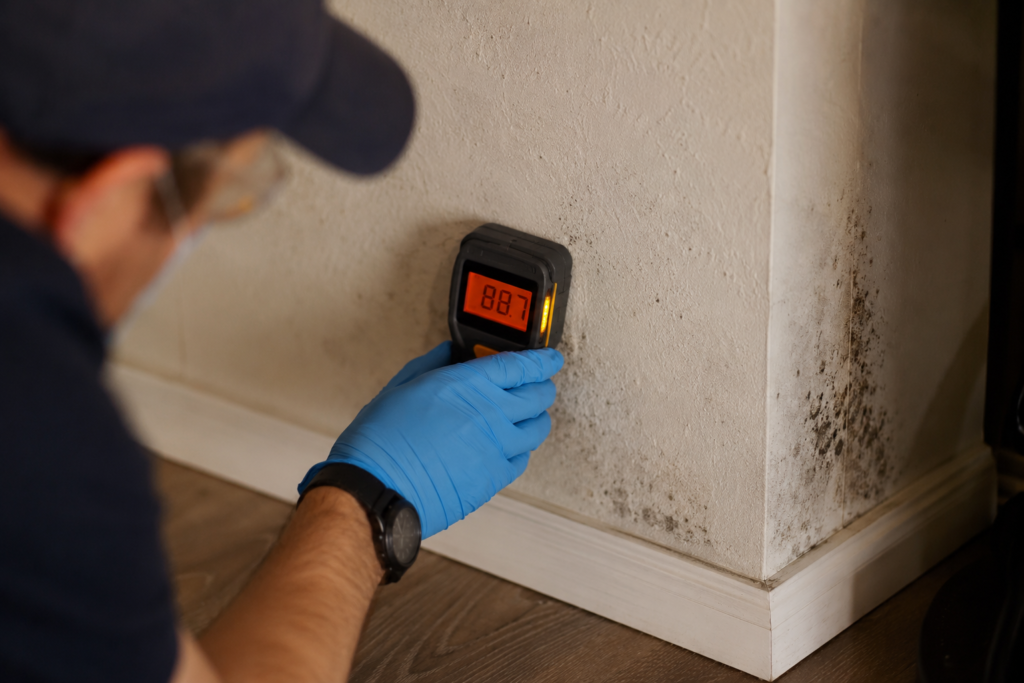
Step 5 – Call a Certified Professional This is the most important step. DIY water damage cleanup rarely addresses the full extent of moisture that has penetrated walls, flooring, and structural materials. A certified restoration company uses industrial-grade moisture meters, dehumidifiers, and air movers to ensure complete drying.
For homeowners in the Charleston area, professional charleston SC water damage restoration services are available 24 hours a day, 7 days a week – because water damage never waits for business hours.
The Danger of Mold After Water Damage
One reason fast professional response matters so much is mold. Mold can begin growing within 24–48 hours of water exposure in warm, humid environments – exactly the conditions found across Georgia and South Carolina.
Mold is not just a cosmetic problem. The EPA’s mold guidelines clearly state that mold exposure can cause serious respiratory issues, allergic reactions, and long-term health complications – especially for children, elderly individuals, and those with compromised immune systems.
Once mold establishes itself inside wall cavities or under flooring, it requires professional remediation. This is why complete drying within the first 48 hours is not just recommended – it is critical.
Our team at Georgia Water Damage Restoration Pros handles complete mold prevention as part of every water damage restoration job. We do not just dry the surface – we verify moisture levels deep inside structural materials before we close out any project.
Choosing the Right Water Damage Restoration Company
Not all restoration companies are equal. When choosing a professional, always verify the following:
IICRC Certification The IICRC (Institute of Inspection Cleaning and Restoration Certification) is the gold standard for water damage and restoration professionals. An IICRC-certified company follows industry-approved drying protocols and uses verified equipment and methods. Always ask for proof of certification before hiring anyone.
24/7 Emergency Availability Water damage does not happen during business hours. Your restoration company must be available around the clock. A company that makes you wait until morning to start drying is a company that is costing you money and structural integrity.
Transparent Written Estimates Before any work begins, get a detailed written estimate that clearly outlines the scope of work, equipment being used, expected timeline, and total cost. Avoid any company that refuses to provide documentation upfront.
Insurance Claim Assistance A good restoration company will work directly with your insurance adjuster, provide proper documentation, and help you navigate the claims process. This support alone can save you significant time and stress during an already difficult situation.
You can learn more about our full range of water damage cleanup services and how we handle every job from initial assessment to final inspection.
Protecting Your Home Before Disaster Strikes
Prevention is always better than restoration. Here are practical steps Georgia and South Carolina homeowners can take right now:
- Inspect your roof annually – look for missing shingles, damaged flashing, and clogged gutters
- Know where your main water shut-off valve is – every adult in the house should know this
- Install a sump pump if your home has a basement or low-lying crawl space
- Check hoses on appliances every 6 months – replace any that show cracking or stiffening
- Review your flood zone status on weather.gov and consider flood insurance if you are in a high-risk zone
- Seal foundation cracks before they become entry points during heavy rain events
These simple steps can dramatically reduce your risk and your out-of-pocket costs when severe weather hits.
Final Thoughts
Water damage in Georgia and South Carolina is not a question of if – it is a question of when. The climate, geography, and aging housing stock across both states create conditions that make water intrusion almost inevitable at some point during homeownership.
What separates a minor inconvenience from a major disaster is how quickly and correctly you respond. Document early signs, act immediately when damage occurs, and always work with a certified restoration professional who understands the unique challenges of this region.
If you need immediate assistance or have questions about protecting your home, call our 24/7 emergency response team at (844) 711-1304 or reach out online today – we are always ready to help Georgia homeowners recover fast and recover right.
Leave a Reply